
Can AI Design a Website? Uncover AI’s Role in Web Design

Artificial intelligence has revolutionized nearly every industry, and web design is no exception. Today, we’re diving deep into the transformative role of AI in web design—a topic that not only sparks curiosity but also drives tangible results in digital strategy. In this article, we’ll explore how AI tools are streamlining processes, elevating creativity, and ultimately shaping the future of website creation. Whether you’re an SEO expert, digital marketer, or web developer, understanding AI’s integration into design workflows is crucial. AI’s role in web design goes far beyond simple automation; it enhances creativity, personalizes user experiences, and optimizes website performance. From automating mundane tasks to offering insights for design improvements, AI has become an indispensable tool for modern designers. As we embark on this exploration, we’ll discuss the evolution of AI in design, key technological advances, real-world applications, and future trends. So, if you’ve ever wondered, “Can AI design a website?”—this article will provide a comprehensive answer with actionable insights and data-driven strategies. By integrating natural language processing, machine learning, and computer vision, AI helps generate design ideas that align with user behavior and preferences. For digital marketing professionals like yourself, Giovanni, the ability to harness these technologies can lead to more engaging content, improved SEO rankings, and a competitive edge in a rapidly evolving digital landscape. Let’s start by taking a look back at the evolution of web design and how AI innovations have gradually become a game changer in the industry. The Evolution of Web Design and AI The history of web design is as fascinating as it is dynamic. Early websites were static, often characterized by basic HTML structures and limited interactivity. As technology evolved, so did the need for more engaging and user-friendly web experiences. The transition from static pages to dynamic, responsive websites was propelled by advancements in programming languages, frameworks, and, eventually, artificial intelligence. Early Innovations in AI and Design Initially, AI’s presence in design was subtle, integrated into tools that assisted designers rather than replacing manual tasks. Early AI systems focused on automating repetitive tasks—think image cropping, color adjustments, and layout suggestions. These innovations were critical in paving the way for modern AI-powered design tools that offer advanced features such as real-time analytics and adaptive user interfaces. Early adopters of AI in design often integrated it with basic algorithms to predict user behavior or suggest improvements based on data from previous projects. This period marked a turning point where designers began to recognize the potential of leveraging data and automation to enhance creativity and productivity. Milestones in Web Design The evolution of web design has been marked by several key milestones. One notable advancement was the introduction of responsive design, which allowed websites to adapt seamlessly across devices. This evolution was crucial in an era when mobile browsing began to outpace desktop usage. In parallel, AI started playing a role by offering insights into user interactions, thus enabling designers to refine layouts and content placement. Another major milestone came with the integration of machine learning algorithms into design platforms. These algorithms provided designers with intelligent recommendations, from optimal color schemes to personalized layout structures based on user behavior. This synergy between AI and web design led to more efficient workflows and innovative design strategies that cater to diverse user needs. The natural progression from these early innovations has set the stage for AI’s current and future role in web design. As designers now rely on data-driven insights and automated tools, the entire creative process has become more agile and adaptive. This evolution is not just a technological upgrade—it’s a paradigm shift in how we approach digital design. How AI Transforms Web Design Artificial intelligence is fundamentally reshaping the landscape of web design by introducing unprecedented levels of automation, personalization, and data analysis. This section explores the transformative effects of AI on web design, highlighting its ability to improve efficiency and elevate user experience. Automation and Efficiency Gains AI-powered tools have dramatically reduced the time required for various design tasks. By automating repetitive processes such as image optimization, layout adjustments, and even content generation, designers can focus on more creative aspects of their projects. This shift not only boosts productivity but also ensures a higher level of precision and consistency across design elements. For example, automated design platforms use machine learning to analyze vast amounts of user data, suggesting layouts and design elements that have proven successful in similar contexts. These tools can adapt in real-time, meaning that as user behavior shifts, so do the design recommendations. This adaptive capacity helps businesses maintain a fresh and engaging digital presence without the constant need for manual updates. Enhanced User Experience One of the most significant impacts of AI in web design is the improvement of user experience. AI algorithms analyze user interactions and behavior patterns to optimize the layout, navigation, and content of a website. This leads to more personalized and intuitive interfaces that engage visitors and drive conversions. AI also facilitates real-time customization. For instance, websites can now display dynamic content tailored to individual users based on their browsing history, location, and preferences. Such personalization not only increases user satisfaction but also contributes to higher retention rates and better overall performance metrics. By harnessing the power of data analytics, AI tools help designers pinpoint potential pain points and areas for improvement, thereby enhancing the overall user journey. The combination of automation and personalization creates a symbiotic relationship where efficiency and user engagement work hand in hand to produce superior web design outcomes. In practical terms, this means that designers are no longer solely reliant on their intuition or static design principles; they can now leverage data-driven insights to craft experiences that resonate with their target audience. As a result, businesses see tangible improvements in both site usability and conversion rates, further cementing AI’s role as a critical asset in modern web design. Key AI Technologies Revolutionizing Web Design The transformative potential of AI in web design is driven by a confluence of advanced technologies.
How to Design a Website for a Small Business: Unstoppable 4 Steps

Designing a website for a small business might feel like standing at the foot of a mountain, trying to figure out the best way up. From choosing the right layout to ensuring you’ve got all the features your audience craves, it’s no walk in the park. But guess what? You’re not alone in this. Countless small business owners have walked this path and discovered that, with the right plan, building an effective online presence is easier than it seems. In today’s digital world, your website is typically the first impression customers have of your brand. It’s not just a place to share your company’s hours or contact details; it’s an extension of who you are and why people should trust you. Beyond aesthetics, your website should feel welcoming—like your favorite coffee shop that offers a warm vibe the moment you walk in. This formal yet optimistic guide will introduce you to how to design a website for a small business and equip you with a framework guaranteed to make your online presence sparkle. By following these four unstoppable steps—Planning, Designing, Integrating Content & Functionality, and Testing & Maintenance—you’ll build a site that resonates with your target market, sets you apart from competitors, and aligns with your long-term business goals. The journey might involve a few dips and turns, but that’s what makes success so worthwhile. So hold on tight, and let’s get started with a solid foundation! Step 1: Conduct Thorough Planning Designing a website without solid planning is like trying to drive across the country without a map. You might eventually get somewhere, but you’ll waste precious time and resources. Planning involves setting clear objectives, identifying your audience, and clarifying the functionalities you want to offer. This step is the backbone of the entire process and helps you keep your eyes on the prize: building a site that truly reflects how to design a website for a small business with efficiency and flair. Identify Your Unique Value Proposition Every small business has something special to offer, whether it’s unbeatable customer service, exceptional product quality, or a quirky brand personality. Pinpointing your unique value proposition (UVP) helps you communicate exactly why customers should choose you over someone else. Think of your UVP as your secret sauce: it’s the flavor only you can bring to the table. Brainstorm: Grab a piece of paper or open a digital note and scribble down what makes your business tick. What do customers love about you? Why do they keep coming back? Refine: Narrow your ideas to one or two key points that truly set you apart. Avoid trying to be everything to everyone, as that dilutes your message. Showcase in Content: Plan how you’ll spotlight your UVP across your website, from the homepage hero section to the “About Us” page. Map Out Site Architecture Picture site architecture as the skeleton of your website—every page and navigational element must be strategically placed. By structuring your site wisely, you’ll give your visitors an intuitive user experience that keeps them from getting lost. List Pages: Identify essential pages like Home, About, Services, Products, Blog, and Contact. If you’re an e-commerce site, add product category pages as well. Hierarchy: Organize these pages into categories or sub-pages to create a clear hierarchy. For instance, your “Services” page might have sub-pages for different packages or specialized offerings. Navigation: Brainstorm how you’ll present menu items, so visitors can find exactly what they’re looking for without frustration. Set SMART Goals Measuring success is much easier when you have concrete goals in place. SMART goals—Specific, Measurable, Achievable, Relevant, and Time-Bound—help you ensure your website strategy is no guesswork game. Example Goals: Increase monthly site traffic by 20% within six months. Boost newsletter sign-ups by 10% each quarter. Enhance user engagement by decreasing the bounce rate to below 40% in three months. Tracking: Determine which tools you’ll use for tracking. Google Analytics, for instance, can help measure traffic, bounce rate, and conversions. Keyword Research & Content Blueprint Content is at the heart of your website. Identifying keywords relevant to how to design a website for a small business, your services, or the local area you operate in ensures the right audience finds you when they search. These keywords will guide your content creation. Keyword Research Tools: Opt for free or paid tools (e.g., Google Keyword Planner, Moz, or Ahrefs) to discover high-volume yet low-competition phrases. Content Calendar: Map out a posting schedule if you plan to maintain a blog. This might include topics on website design best practices, business tips, or product updates. Alignment: Make certain each piece of content supports your overall goals, resonates with your UVP, and includes relevant keywords naturally. Planning might feel like it demands a fair chunk of time, but it’s an investment that pays off big. Once you know your UVP, have set goals, and understand the skeleton of your future site, you’re primed to design a website that truly meets small business needs. Step 2: Develop an Impactful Design and Layout Now that you’ve laid a solid foundation, it’s time to give your website a face that impresses and a heart that resonates with users. Far from being superficial, website design is a strategic tool. With the correct visuals and layout, you can convey trust, authenticity, and a sense of welcome to everyone who lands on your page. Choose the Right Color Palette Colors can evoke emotions, making them a powerful element of web design. People often make snap judgments about a business based on color scheme alone, so you’ll want to be thoughtful here: Brand Consistency: If you already have brand colors, integrate them seamlessly into your site. Consistency breeds recognition. Contrast: To ensure readability, select text colors that stand out against the background. No one wants to squint to read your content. Emotion & Audience: Think about the feelings different colors evoke. A financial consulting firm might use calm, professional blues, while a fun café might choose playful oranges or reds. Optimize Layout for
What Is SEO Website Design? Incredible 5-Steps

In an era where every enterprise is vying for digital supremacy, it’s more important than ever to ask: What is SEO website design? SEO website design represents the fusion of elegant web design elements with proven, search-focused optimization strategies. It’s the practice of ensuring that websites aren’t just visually appealing but also highly discoverable and user-friendly. By crafting designs centered on usability and search engine best practices, you can secure higher organic rankings, enhance brand visibility, and drive more targeted visitors to your site. This incredible 5-steps blueprint will show you how to transform your website from a simple online placeholder into a commanding digital property. Each step explores a vital aspect of SEO website design, from fundamental principles to ongoing refinement. Let’s dive in. Step 1: Understanding SEO Website Design Fundamentals The first question on everyone’s mind is: What is SEO website design? At its core, it’s all about building a solid foundation. Just like constructing a house, you need sturdy, well-thought-out blueprints for your site to stand the test of time in search engine rankings. If search engines can’t find or crawl your pages, the greatest design in the world won’t help your business reach the top of the search results. SEO Basics and Terminology Before diving deep, you should get comfortable with critical SEO terminology. Words like “algorithm,” “crawlers,” and “organic traffic” often pop up in discussions about search engine optimization. Let’s break down a few essentials: Algorithm: A set of rules or procedures search engines follow to rank and serve pages. Google, for instance, regularly updates its algorithm to improve search accuracy and user experience. Crawlers (Bots/Spiders): Programs that navigate the web by following links, gathering information about each page. A crawler’s job is to index websites, helping search engines understand content relevance and quality. Organic Traffic: Visitors who reach your site naturally, typically through unpaid search results. Keyword: A term or phrase users enter into a search engine. Choosing the right keywords ensures your website aligns with what people are searching for. These are the building blocks of SEO that guide how you structure your website content. Additionally, keep user intent in mind. When someone searches a phrase like “best running shoes for beginners,” they’re likely on the hunt for specific shoe models or brand comparisons. By targeting the correct intent, you can craft pages that answer real user queries, thus boosting your site’s relevance and chances of ranking well. The Intersection of Web Design and SEO With an understanding of basic SEO concepts, you can start weaving them into your overall website design. Traditional web design focuses heavily on aesthetics—colors, layouts, typography, and multimedia elements. Yet, without search optimization, a visually stunning site might remain virtually invisible to prospective visitors. Here’s how SEO weaves into the design process: Site Structure: A well-designed site uses logical menus, breadcrumb trails, and category groupings, helping both users and crawlers navigate easily. Content Strategy: By aligning pages with relevant keywords, your design can prioritize content that resonates with users and addresses their needs upfront. Loading Speed: Media elements like large, uncompressed images can slow your site, damaging user experience and SEO performance. Streamline visuals for faster loading times. Responsive Layouts: A site must adapt seamlessly to various devices—desktop, mobile, tablet—to avoid high bounce rates and negative search ranking signals. SEO website design merges functionality and appearance so elegantly that users almost forget about the “optimization” in the background. When you succeed in this balancing act, visitors will enjoy a delightful browsing experience, and search engines will reward your site with higher visibility. Why SEO Website Design Matters You might be thinking: Why can’t I just concentrate on high-quality content and skip the technical aspects of design? Though content indeed plays a crucial role, the mechanics behind delivering that content matter just as much. Higher Search Rankings: Clear, concise navigation and proper code help search engines crawl your site effectively, improving your ranking potential. User Satisfaction: A well-designed site signals professionalism and trustworthiness. Visitors can find what they need swiftly, lowering frustration and encouraging repeat visits. Competitive Advantage: In many niches, competition is fierce. Investing in an optimized design sets your site apart from those relying solely on basic templates without SEO considerations. Better Engagement: Sites that load quickly, feature simple navigation, and contain relevant content will encourage longer user dwell times, which can indirectly improve SEO. A strong base ensures every subsequent effort—whether it’s link-building, content marketing, or advanced technical tweaks—yields the best possible returns. When you build your site around these fundamentals, you’re effectively future-proofing your online presence. Step 2: Technical Foundations for SEO Website Design Mobile-First Indexing In recent years, Google announced a mobile-first indexing strategy, meaning it primarily uses a site’s mobile version for indexing and ranking. If your site isn’t optimized for mobile, you could be missing out on a massive chunk of potential traffic—especially since mobile devices now dominate a large share of all web searches. Key elements of mobile-friendly design: Responsive Layout: Your site should adapt to screen sizes, maintaining readability without forcing horizontal scrolling. Tap-Friendly Buttons: Ensure buttons and links are easy to tap, with ample spacing to prevent accidental clicks. Minimal Pop-ups: Intrusive interstitials or pop-ups that are hard to close on mobile devices can frustrate users and hurt rankings. These features create a smoother browsing experience that boosts user engagement, reduces bounce rates, and signals to search engines that your content is valuable. Clean URLs and Site Structure Efficient site structure helps both human visitors and search engine bots. A well-structured site is akin to a well-organized library where each book is categorized, labeled, and easy to find. If your site’s navigation is clunky or your URLs are cryptic, users may bounce away in seconds, and crawlers might struggle to index your pages correctly. Tips for clean URLs: Keep them short, descriptive, and keyword-oriented (e.g., mysite.com/blog/seo-website-design-tips). Avoid random strings of numbers or special characters that offer no context. Use hyphens instead of underscores to separate words. Additionally, incorporate
Best Practices for Website Design for Your Small Business
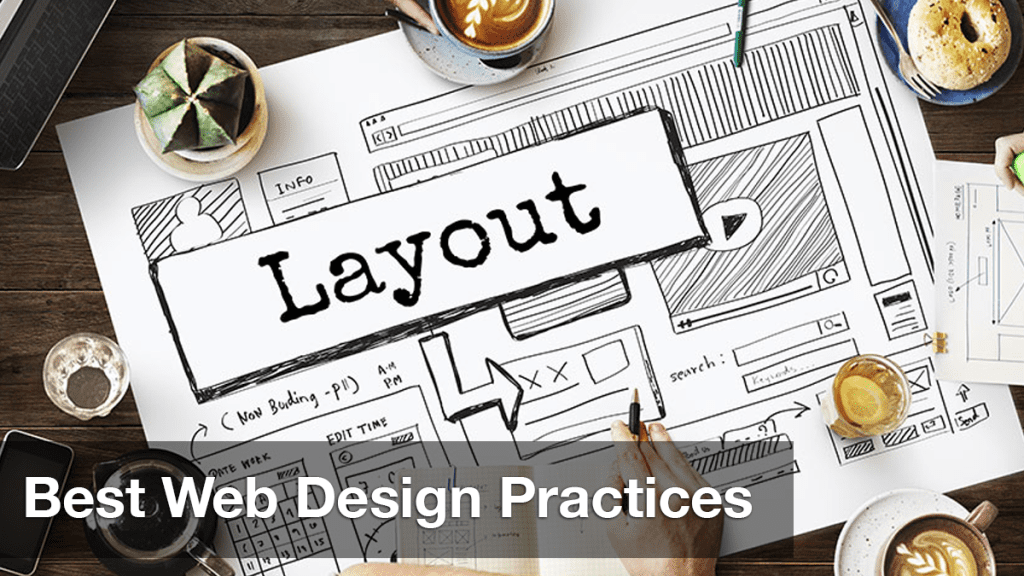
The foundation for any successful online marketing campaign is an effective website. But how do you go about designing one that’s both effective and engaging? Luckily, this is where skilled site designers come in. If you own a small business, you need a website that stands out and attracts customers. In this piece, we’ll discuss the best practices for web design for small businesses. Read on if you’re serious about growing your small business. What is Web Design? Web design is a process involving creating the visual layout, appearance, and functionality of a website. It entails using various design elements such as color, imagery, typography, and layout to create a good visually appealing and user-friendly website. What Are Some Of The Best Web Design Practices? 1. Identify and Focus on the Target Audience: This should be the first step for any website design. Identifying your target audiences and their needs makes your web designing process easier since you already have a clear scope of your goal. All you have to do is work towards it. 2. Use a design that fits your business: Your web design significantly affects how consumers view your business and services. Your site should be designed to pass your brand’s message using pictures and eye-catching videos. It creates a professional image for your small business, instilling trust and credibility among potential customers. 3. Optimize for Simple Navigation: Your website’s navigation is crucial to your success and should be organized and straightforward. A horizontal navigation bar with clear categories across the top of the page is often the best approach. In addition, you should avoid having too many menus and dropdowns; instead, make sure there are clear pathways to get around the website quickly and easily. 4. Include contact information: Make it easy for those who visit your site to contact you by including clear and visible contact information, such as a contact form, phone number, and email address. This helps build trust and encourages visitors to reach out. 5. Use responsive design: With the growing use of mobile phones, having a responsive and mobile-friendly website is crucial. A mobile-responsive website adapts to different screen sizes and devices, providing a seamless experience for users, regardless of the device they use to access your website. Your website should be responsive and adapt to desktops, tablets, and mobile screen sizes. 6. Optimize images: Large images tend to slow down your website and negatively impact the user experience. That’s why it is advisable to use optimized images to ensure faster loading times. Nowadays, it is easier to compress and resize images without compromising quality to improve website performance. 7. Use consistent branding: Keep your branding consistent throughout your website, including colors, fonts, imagery, and messaging. Consistent branding creates a cohesive and professional look that enhances your brand image. 8. Prioritize website speed: Website speed is crucial for user experience and search engine rankings. A website that takes long to load can lead to higher bounce rates, where visitors leave your site before engaging with your content or making a purchase. A smooth and fast website experience enhances user satisfaction and encourages visitors to stay longer on your site, explore your products, and convert into customers. Optimize your website for fast loading times by minimizing unnecessary elements, optimizing codes, and using a reliable hosting provider. 9. Include Social Media Buttons: Including social media buttons in website designs has become a common practice in modern web design for several reasons. Some benefits they give you include increased social media engagement, enhanced brand visibility, improved user convenience, social proof, and marketing opportunities. Do You Need A Website or Marketing Expert? Contact Our Web Design Company in Phoenix As a leading web design company in Phoenix, Phoenix Premier Digital Marketing & Web Design is committed to providing top-notch solutions tailored to your business goals and target audience. Our experienced web designers and developers understand the latest design trends and technologies, ensuring your website is optimized for user experience, functionality, and search engine optimization. We are the perfect choice if you’re looking for a reliable web design company in Phoenix that can help you boost your small business online presence. Contact us today at (480) 442-9829 to get started on a web design for your business
How To Optimize Your Website For Google Search Engine

Do you want to know how to optimize your website so you can get free online traffic? In this article our local web design and SEO company in Phoenix will provide you with some strategies that will help you rank your website so you can get traffic from online visitors for your local business. We will talk to you about what local search is, and why it’s important. From there we will provide you will some solutions to help you optimize your website. What is local search mean? Local search should be at the top of your priorities if you are a business owner with a website. Local search is optimizing your website for a specific geographic location to make it more visible to potential customers in that area. It is optimizing your website’s landing page for the Google search engine, which can significantly improve your chances of appearing top in search results for relevant queries from places near you. In this article, we will provide some tips and strategies for optimizing your website’s landing page for local search and Google search engines, so you can attract more local customers and grow your business. How can I optimize your website landing page for google search engines? Keyword research: Find your target audience’s keywords and phrases using keyword research. Use these keywords in your website landing page’s meta title, meta description, headings, and content. Meta tags: Use appropriate meta tags, such as title tags and meta descriptions, to provide a concise and accurate summary of your website landing page. Make sure the meta tags include your target keywords and accurately reflect the content on your landing page. Quality content: Ensure your website landing page has high-quality, informative, and engaging content relevant to your target audience. Use your target keywords in your content, but avoid overusing them. Site speed: Optimize your website landing page’s loading speed. A slow-loading landing page can negatively impact your search engine rankings and user experience. Include Local Keywords: Use location-specific keywords in your landing page content, meta descriptions, and tags to make it easier for search engines like Google to understand the location relevance of your page. Mobile responsiveness: Ensure your website landing page is optimized for mobile devices. With increasing numbers of users accessing websites from their mobile devices, having a mobile-responsive landing page is crucial for user experience and search engine rankings. User experience: Ensure that your website landing page provides a positive user experience by making it easy to navigate, providing clear calls to action, and having a visually appealing design. Backlinks: Build high-quality backlinks from relevant and authoritative websites to your landing page. Backlinks are important for improving your website’s credibility and search engine rankings. If you apply these SEO strategies to your website over time, you will see an increase in your online traffic from locals websites visitors who are seeking your services. If you’re not sure how your website is currently performing contact click the link to get your FREE Website SEO Audit. Contact Us For Professional Web Design and SEO Services in Phoenix If you’re looking for professional website design and SEO services in Phoenix? Or do you need a web design and SEO company for your local business? Then, call Phoenix Premier Digital Marketing & Web Design today. We specialize in designing custom websites optimized for search engines and user experience. We aim to help you attract more traffic to your site, convert visitors into customers, and grow your business online. Plus, we have a proven track record of success, with numerous satisfied clients and positive reviews. Fill Out The Form Below For A FREE SEO Audit
Some of the Common SEO Mistakes to Avoid in 2023

Below are some of the common SEO Mistakes to avoid. Our Website design and SEO company in Phoenix will explain why it;s important to avoid these SEO mistakes and how to fix them. By reading this article you will learn how to optimize your website’s SEO so you can get more leads for your business. Here are some of the common SEO mistakes to avoid in 2023 Ignoring Backlinks Not Prioritizing Page Speed Not Doing Local SEO Not Updating Content Not Conducting Keyword Research Ignoring Mobile Optimization Why Is It Important To Keep Up With SEO? Search engine optimization (SEO) is crucial to any successful online marketing strategy. It helps businesses and organizations to improve their website’s presence and attract more traffic from search engines like Google. However, SEO can be challenging, and there are several common mistakes that many website owners make that can negatively impact their search engine rankings. If you want to improve your website’s SEO in 2023, then it’s important to be aware of and avoid these common mistakes. In this article, we’ll discuss some of the most common SEO mistakes you should avoid in 2023 to ensure that your website is fully optimized for search engines and driving the maximum amount of traffic. Some of the Common SEO Mistakes to Avoid in 2023 1. Not Updating ContentKeeping your website’s content fresh and up-to-date is essential for SEO. Failing to update your website’s content can make outdated information irrelevant to your target audience. 2. Not Conducting Keyword ResearchOne of the most critical aspects of SEO is keyword research. Failing to conduct keyword research can result in targeting the wrong keywords or failing to optimize for high-value keywords that can drive significant traffic to your website. When you do keyword research you will have a better idea of what keywords people are searching for in your niche, and you can create content using those keywords that will help optimize the content on your website.Below is a list of keyword research tools. Uberuggest Google Ads MOZ SEM Rush 3. Ignoring Mobile OptimizationWith more and more people using mobile devices to access the web, failing to optimize for these devices might be costly. Failing to optimize for mobile can lead to a poor user experience and lower your search engine rankings. It’s important that your website is able to adapt for all types of devices to ensure better user engagement, and experience. Contact your a web developer near to help fix any responsive website design issues. 4. Ignoring BacklinksBuilding high-quality backlinks from authoritative websites is crucial for SEO success. Ignoring backlinks or failing to build high-quality ones can negatively impact your website’s search engine rankings. 5. Neglecting Local SEOFor businesses that have physical locations, local SEO is essential. Failing to optimize for it can decrease visibility in local search results and lost opportunities to reach potential customers in your area. To optimize your content for local SEO you must do some keyword research to see what local keywords people are using. After your search use these keywords in your content and use a keywords when you’re doing your link building strategy. Another important thing for local SEO is the get a google business listing setup. If you don’t have google listing you will be missing out on a lot new website visitors who are searching for local services. You can setup your google business profile here 6. Not Prioritizing Page SpeedSlow page speed can negatively impact both user experience and search engine rankings. Prioritizing page speed optimization can lead to higher search engine rankings, increased user engagement, and improved conversion rates. How To Get The Best Results With SEO? If you practice these SEO strategies for your business, you will increase the chances of your website ranking on the google search engines, driving traffic to your website. Having a SEO strategy in place, and be consistent with implementing your plan. If you need help with this contact a local SEO company to help you with your online marketing goals. Contact The Best SEO Company in Phoenix To Help You Reach Your SEO Goals Phoenix Premier Digital Marketing & Web Design is a digital marketing agency based in Phoenix, Arizona, specializing in search engine optimization (SEO) services. Some of the services offered by us include keyword research, on-page optimization, link building, content creation, local SEO, and e-commerce SEO. We also provide comprehensive SEO audits and analytics reporting to help our clients track their progress and make data-driven decisions.If you’re looking for a reliable and experienced SEO company in Phoenix, Arizona, Phoenix Premiere Creative Media is an excellent choice. Contact us today at (480) 442-9829 to get a free SEO website audit and to learn more about our SEO services and how we can help your business succeed online.
How to Market My Home Service Business in Phoenix

Marketing your home service is critical to building and growing your business. Whether you offer cleaning, landscaping, HVAC, plumbing, handyman, or any other home services, marketing your services is essential to attracting new clients and generating revenue. However, marketing your home service business in Phoenix can be challenging and competitive, especially since many other service businesses like yours exist. Plus, the way most homeowners search for services now has changed. So, factoring in these changes, you must place your business in the best place and at the right time. Therefore, here are some tips on how to market a home service business in Phoenix, Arizona: Here Are The Best Home Service Website Marketing Tips For Your Business Create a Professional Website: Gone are the days when marketing your business could be traditional and offline. Now, marketing your business goes a long towards getting gigs if you have a website. A well-designed website is essential for any business. You should provide information about your services, prices, and contact information on your website. You can also use your website to showcase your previous work and customer reviews. Optimize Your Website for Local Search: Optimize your website for local search by including relevant keywords and location-based content on your website. This will help you rank higher organically in local search results like Google and Bing and attract more customers around you. After all, no homeowner would want to search for plumbers who live several miles away. Utilize Local Business Listings: List your business in local directories such as Google My Business, Yelp, and many others. This will increase your visibility in local search results and help local homeowners find you. Plus, they allow you to place your business in google map search results. Use Social Media: Social media can be a great platform to build your business. With tools like Facebook, Instagram, and Twitter, targeting potential customers and spreading the word about your products or services has never been easier. Additionally, social media allows you to engage directly with users and build relationships that boost your business. Use social media to promote your business, share photos of your work, and engage with potential customers. Do branding: Branding involves creating an identity for your business through logos, colours, fonts, messaging, visuals, and other elements that will help differentiate you from the competition. It is a powerful tool for marketing your business. An good brand strategy gives you a major edge in increasingly competitive markets and helps customers understand what makes your offering different from your competitors. Referrals: Encouraging referrals is a great way to market your business and expand your reach. Start by creating an incentive program for customers who refer their friends or family to you, such as discounts, prizes, free products, etc. You can also make sure that your existing customers are aware of the referral program through email campaigns, social media posts and other marketing materials. Provide Exceptional Customer Service: Word of mouth is a powerful marketing tool. Provide great service, and your customers will likely recommend your business to others. Best Home Service Marketing Agency Phoenix Phoenix Premier Digital Marketing & Web Design is a home service marketing agency based in Phoenix, Arizona. We specialize in creating effective digital strategies that drive leads and revenue to your business. We also provide services such as SEO optimization, content creation, logo and web design and more. We offer the best web design & SEO services for your home service business. In addition, we are recognized as one of the best home service marketing agencies and have great customer reviews on Google and Yelp. By working with us, you can ensure your home service business is reaching its full potential online. Frequently Asked Questions (FAQs) Q1: What is the most effective way to market my home service business in Phoenix?A combination of local SEO, a professional website, and Google Business Profile optimization is the most effective digital strategy. Paid ads and referrals can add extra momentum. Q2: Why do I need a website for my home service business?Your website builds trust and acts as your online sales rep 24/7. It showcases your work, explains your services, collects leads, and helps you rank in local search. Q3: How long does SEO take to show results for local service providers?SEO for local businesses typically shows results in 3–6 months, depending on competition, current site condition, and keyword difficulty. Consistency is key. Q4: What platforms should I list my home service business on?Start with Google Business Profile, Yelp, Bing Places, Angi, and Facebook. These improve visibility and trustworthiness, especially when reviews are positive and current. Q5: Should I use Google Ads or rely only on SEO?Ideally, use both. Google Ads deliver quick visibility and leads, while SEO builds long-term organic traffic. Together, they maximize your local reach. Q6: How can I improve my Google reviews?Ask satisfied clients to leave a review, send them a direct link, and respond politely to every review—good or bad. A strong review profile boosts trust and local rankings.
The Best Web Design Company In Phoenix Arizona

The internet has become a crucial part of our lives, and having a well-designed website has become necessary for businesses to thrive in today’s digital world. But with so many web design companies in Phoenix, Arizona, how do you choose the best one for your business? A great website can significantly attract and retain customers, so selecting the best web design agency is crucial. One such agency that stands out in Phoenix is Phoenix Premier Digital Marketing & Web Design. About Phoenix Premier Digital Marketing & Web Design and SEO In Arizona Phoenix Premier Digital Marketing & Web Design is a full-service digital marketing agency based in Phoenix, Arizona. We specialize in web design, SEO, social media management, and branding. Our team consists of experienced professionals who have worked with various clients in various industries. One of our unique features is our focus on marketing. We believe marketing is a powerful tool for connecting with audiences and generating leads. Also, we use SEO-proven techniques to create engaging content for our clients that resonate with their target audience. Phoenix Premier Digital Marketing & Web Design has a proven track record of delivering exceptional results for our clients. We have helped businesses of all sizes improve their online presence and grow their customer base. We work closely with our clients to understand their unique needs and develop custom solutions that meet those needs. See what their clients think about them by reading their reviews on google here. However, what sets us apart is our focus on creating websites that are visually appealing, user-friendly, and optimized for search engines. We have a team of highly skilled designers who are passionate about creating beautiful and functional websites. We take the time to understand our client’s needs and goals before starting any project. This way, we create a website that looks great and serves its intended purpose. In addition, we understand that every element on a website, from the font to the colour scheme, plays a crucial role in creating a cohesive and effective design. This is why we take the time to carefully select every element, ensuring that each one works together to design the best website. Best Web Design Agency For Your Local Business Experts recognize Phoenix Web Design and SEO Service as one of the best web design companies. We have good customer reviews on Google listings from customers who testify to the qualities and web designs. Plus, we have various five-star reviews on Google and Yelp, proving how top-notch our services are. If you are looking for an affordable web design agency in Phoenix, Arizona, Phoenix Premier Digital Marketing & Web Design is the best choice. Our team of highly skilled web designers show outstanding commitment to their clients and a dedication to attention to detail. With our help, you can create a user-friendly website that optimises SEO well. How will your business benefit from our with our web design and digital marketing services? Lead generation: By employing expert design methods and marketing ideas, we enable your visitors to your website will provide you with fresh leads for your company. Wonderful User Experience: Your website’s layout will work well on all devices and load quickly. They’ll make sure people stay on your website rather than going to someone else’s. Additionally, they are simple to navigate through. Search Engine Optimization (SEO): Our team have an impressive understanding of SEO best practices and can optimize your websites for search engines to improve search rankings and drive traffic. Automation Tools: We’ll make it possible for visitors to your website to contact you, schedule meetings, chat with you, and, if necessary, make purchases. Your website will be configured with all the tools you need to run your business smoothly. For The Best Website Design and SEO Services In Phoenix Contact Us Today! Now that you see what makes Phoenix Premier Digital Marketing & Web Design the best web design company in the Phoenix Area contact us today so we can help you create a website that will help you get more leads for your business. We pride ourselves in providing the best customer services and we guarantee great results for your next website design or digital marketing project. Contact us today to see how we can help your business out.
Website Marketing: Simple Marketing Tips

If you have been looking to introduce your business to the right audience, we are glad to notify you that you’re on the right page. The internet is very porous but rest assured that there are still many opportunities available for your business to rank higher. It just boils down to how you position yourself. What is Website Marketing? Website marketing, also called web marketing, is the term used to define a series of strategic procedures used to market a business online. Reaching a large group of people who are most interested in your business is quite inconceivable without the use of Website Marketing. Web marketing is the process of selling your business to the right people by increasing your online presence. Different messages about your business can be dispersed on time to everyone on the web with website marketing. As a rookie with a young business, you might need to allocate funds for a marketing strategy. However, this is not compulsory. The beginning point of website marketing requires the most amount of input. People with marketing budgets notice that more money is spent at the beginning of the project. Getting a successful result out of a website marketing type is hanging on how you utilized your chosen strategies. Here are some tips to steer you as you get started in website marketing. Simple Website Marketing Tips All of these tips are geared towards leading traffic to your business website with the intent to sell your services and products. Get an Optimized Domain Name Getting a good domain name is the first step to being visible on the web. The name of your website is your domain name. Your business name can be your domain name, this often leaves a good first impression on users, and it is easy to remember in most cases. For instance, if your business’s name is “Bloomwood Dresses,” your domain name would be. Not only should your domain name be optimized, the URL of your website and other web pages should also be optimal. This way, it easier for users to find you. Combine Channels There are different forms of website marketing, they are; Pay-Per-Click Advertising Content Marketing Email Marketing Display Advertising Search Engine Optimization Social media marketing. These forms of web marketing listed above are unique in their manners. Each has its set of strategies and tactics. You could use one channel but choosing to combine multiple channels is more effective. More audience can be reached with a multiple-channel strategy. Make Use of SEO Search engine optimization improves your chances in the race for a first-page ranking. The use of SEO in your web pages is an excellent way to get valuable leads in your business. SEO might seem complicated, but with time and consistency, it gets easier. Ways to make use of and improve SEO on-page and off-page include; optimizing uploaded images for SEO. increasing your website speed. having a user-friendly website. Create Content Specific for Your Target Audience Content is the soul of communication. With the personalized campaigns, you can relay the messages about your business to your audience. An everlasting aspect of a business website is its optimal content. A very good way to create consistent content is by blogging. The best blog posts take skill, time, and effort to compose. These contents could be in the form of images, videos, and texts. Do not release baseless content, and Users must relate with your curated content, which will encourage more visits and patronage. Use Specific Keywords Research keywords that suit your business theme. These keywords should be on the main page of your website. You can also place them on each web page of your site. In website marketing, keywords are often placed in between contents irrespective of their nature (text or visual). This makes it easy for people to locate you. The use of a keyword specific to your business prompts Google to give your site a higher ranking. Research keywords before including them on your pages. Nowadays, it is preferable to use keywords that contain more than three words. Google Keyword Planner is a good keyword research tool. Other tools are Word stream Moz analytics Keyword eye Word tracker Get Links Online marketing websites have backlinks that direct users to a website. Focusing on quality links should be your priority. Quality links are generated by posting quality content. There are instances where external links get broken, and you must regularly check all links related to your website to ascertain that they are still active. The more you forget to fix broken links, the lesser your google rankings. In situations where lots of known websites attach to your web pages, Google presumes that you have helpful and suitable content. This can make you rank higher and become more visible. Add Your Website Link to All Your Platforms A URL link should be placed on all your social media pages for easy access to your website. Your Google My Business platform should also have this URL. Always Update Your Webpages Updating the contents of your web pages prevents your contents from getting obsolete. In cases where rebranding or website servicing is to be done, hire professionals to do it. A visitor will always appreciate a site that works well. Other pointers to getting you started on website marketing Create a CTA button for viewers to subscribe Establish a strong social media presence. Use Google Analytics report. Use Google paid ads Final Note One of the most valuable assets of a business is its website. Web marketing is a cost-effective marketing method with a high return on investment. It is a gradual process; the higher your input, the higher the rewards you stand to gain.If you follow the right strategy and utilize these given tips, an abundance of opportunities awaits your business. Remember, the best websites are organized and structured around a target audience. If you need some help with website marketing contact our local website marketing and SEO
Tips To Improve Your Local SEO To Get More Business Clients

At least a decade ago, people depended on phonebooks, traditional advertisements, and word of mouth to make their business known in their local community. Times have improved. Thanks to the internet, we now turn to search engines to find local businesses that meet our needs. Local searches account for almost half of the total searches on google. To optimize your Local SEO means to make Local customers around your location aware of the existence of your business. It involves several strategies designed to enhance your visibility on Google and other search engines on the world wide web. Local SEO is meant for all the brick and mortar businesses in a local community. This is a term used to group businesses that have physical locations. Some of their businesses are hospitals, laundromats, retail shops, factories, restaurants, etc. Businesses need Local SEO to gain loyal customers, build trust within a community, and boost site traffic. Executing local SEO is akin to tapping into the power of local search. Keep reading to get tips on how to improve your Local SEO to dominate your local business community. Tips To Improve Your Local SEO Create A Google My Business (GMB) Account It is an essential tool used to realize and modify how your site shows on the Local Search Engine Results Page (Local SERPS). How a site performs in local SEO is greatly influenced by GMB. Creating and Claiming a business account is the first step. When creating the account, extra care should be taken in inputting accurate details. Upon completion, Google issues a real-life postcard as proof of ownership of the business listed. Google my business uses a unique algorithm when ranking. A business’s relevance, prominence, and proximity are evaluated by this algorithm. Customers in more focused areas are attracted this way. Make sure you complete all the essential information. This information is what is shown on your business dashboard, it will also be added to your business profile, upon verification, which pops up in Local SERPS. Always log in regularly to your Google My Business dashboard to ensure there are no unwanted changes. Record Your Business Information In Other Directories You can record your business details in local directories around you. Even online business directories like Yelp, Hotfrog, Angie’s list, MojoPages, Express Update, Super pages, Business.com, and so many others can be used. This will help with your business visibility as well as boost your local SEO. Ensure Your Google Listing Content Is Accurate Details like Business name and place (NAP) must be accurate and consistent across all platforms. If discrepancies are present in your listings, Google has no way of knowing. Putting up incorrect inputs could lead to google putting up a red flag, due to its inability to ascertain the legibility of your company. Integrate Social Media Social media platforms like Twitter, Facebook, LinkedIn, and even Telegram are free to use. You can utilize these platforms by integrating them with your business listings. Use the same ID across all social media platforms, and then link this ID to your site. This way you can stay visible to all. Local Keywords Using local keywords helps you become visible to people using the “near me” feature. The best way to place these local keywords is to use keyword city, city keyword, and keyword in the city. A practical example is, if your business is in the construction niche in Michigan, your local keywords could read Builder MI, Michigan Builder, Builder in Michigan. Content can be created to suit your location’s niche. Have a User-Friendly Website Create a mobile-friendly version of your site to engage more customers. For a decent Local SEO, your website must be optimized for mobiles. Avoid cramming too much information into your webpages. A website would be more appealing adding geotagged Images with 72dpi resolutions. Your URL link should also be user-friendly. Have Location and About Us Pages If your business has more than one business location in an area, having a location page is essential. This page should contain details like store hours, names, addresses, and phone numbers. Each business location should have a unique page. Google maps must also be attached to each location page. If your business has only one location, you need an about us page. On this page, you can include your previous engagements with notable members of your community. By having a location and about us page for each of your business locations, your business can be easily located by the search engines and appropriate locations can be delivered to the local SERP. Get Quality Link Signals A Link signal is a backlink that directs users to your website. Backlinks can help you, they can also hurt you. Depending on the built link, a lot of factors can make the distinction between a good backlink and a bad backlink. Any external URL that leads to your website can also be called a backlink. Obtaining quality backlinks entails not building through spam websites. Get and Respond to Regular Reviews on your GMB Account Reviews play a part in optimizing your Google My Business account. Getting regular reviews from happy customers as well as unsatisfied customers. You can ask for these reviews by contacting your customers in person or by sent post-purchase messages. Replying to these reviews promotes repeat business. When new visitors come across your page and see reviews from old customers and replies from you. They’re encouraged to contact and locate you. Local SEO is preferred over paid advertisements because it has a long-term benefit of search engine optimization. Having a thorough local SEO is place gives you a competitive edge over other similar businesses in your location. Improvements done to your Local SEO reflects all over your business. More local clients are located, sales increased and your business local presence is also improved. We hope these provided tips have helped position you to attract the lion share of the local traffic compared to other competitors in the same business. Our Local SEO